
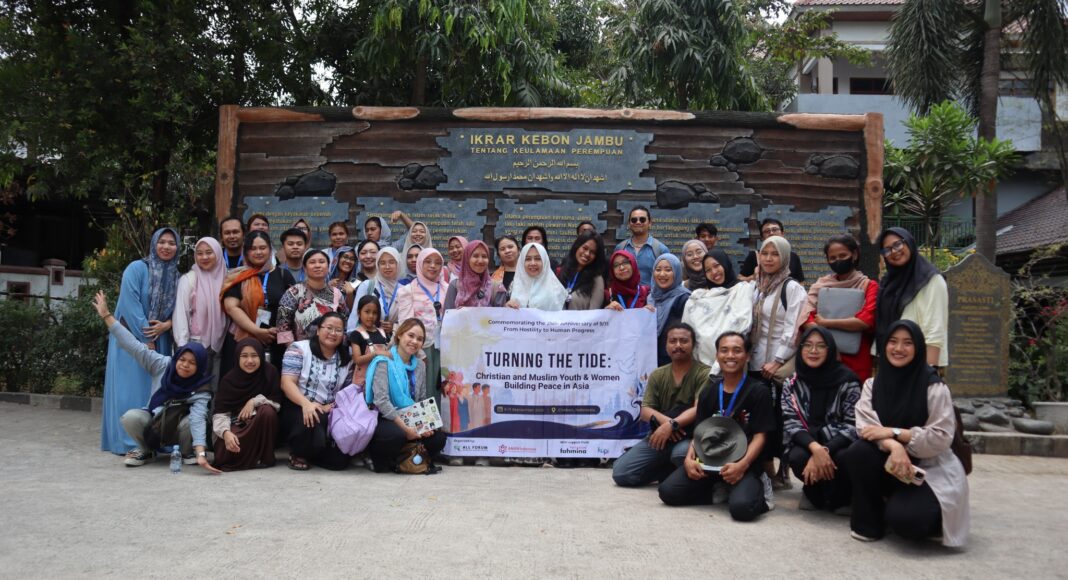
The Regional Learning Exchange held by Asian Lay Leaders (ALL) Forum and The Asian Muslim Action Network (AMAN) Indonesia, Fahmina Foundation, and Indonesia Women Ulama Congress (KUPI) in Cirebon, West Java, Indonesia, brought me to one crucial point of my life. Together with Catholic-Moslems friends from across Asia; South Korea, Phillipines, Malaysia, and Indonesia, we were living and learning together in islamic boarding school and church.
The experience has given me meaningful opportunities to learn, grow, and gain new perspectives. I was able to immerse myself in the Muslim community, build connections with new people and friends, and personally witness and listen to the realities and struggles faced by Muslim women in Indonesia.
It also made me reflect on how violence has been deeply woven into the fabric of our history. The tragedy of 9/11, which claimed the lives of innocent people, is one of the many painful reminders of how violence can leave lasting scars on individuals and communities. Yet, despite the passage of time, violence continues to take different forms and affect people in different places and circumstances. This experience reminded me that the fight against violence is not only about remembering the past, but also about recognizing and addressing the realities that continue to exist in our society today.
Furthermore, I witnessed how powerful the patriarchal system can still be, even in this generation, and how “power” can be used to discriminate against, abuse, and violate the rights of women. I saw how women’s abilities are often unfairly compared with those of men, particularly their capacity to lead, speak up, express their opinions, and take part in decision-making.
Women, Faith, and the Struggle for Justice
In the session on Islamic Feminism, Gender Justice, and Inclusive Democracy with Dr. Nur Rofiah and Siti Rofiah representing KUPI, I also encountered perspectives through discussion on the Al-Qur’an and how religious interpretations can sometimes be used to reinforce ideologies that confine Muslim women to being mere decorations of men. This experience made me reflect on how culture, power, and interpretation can influence the way women are perceived and treated in society.
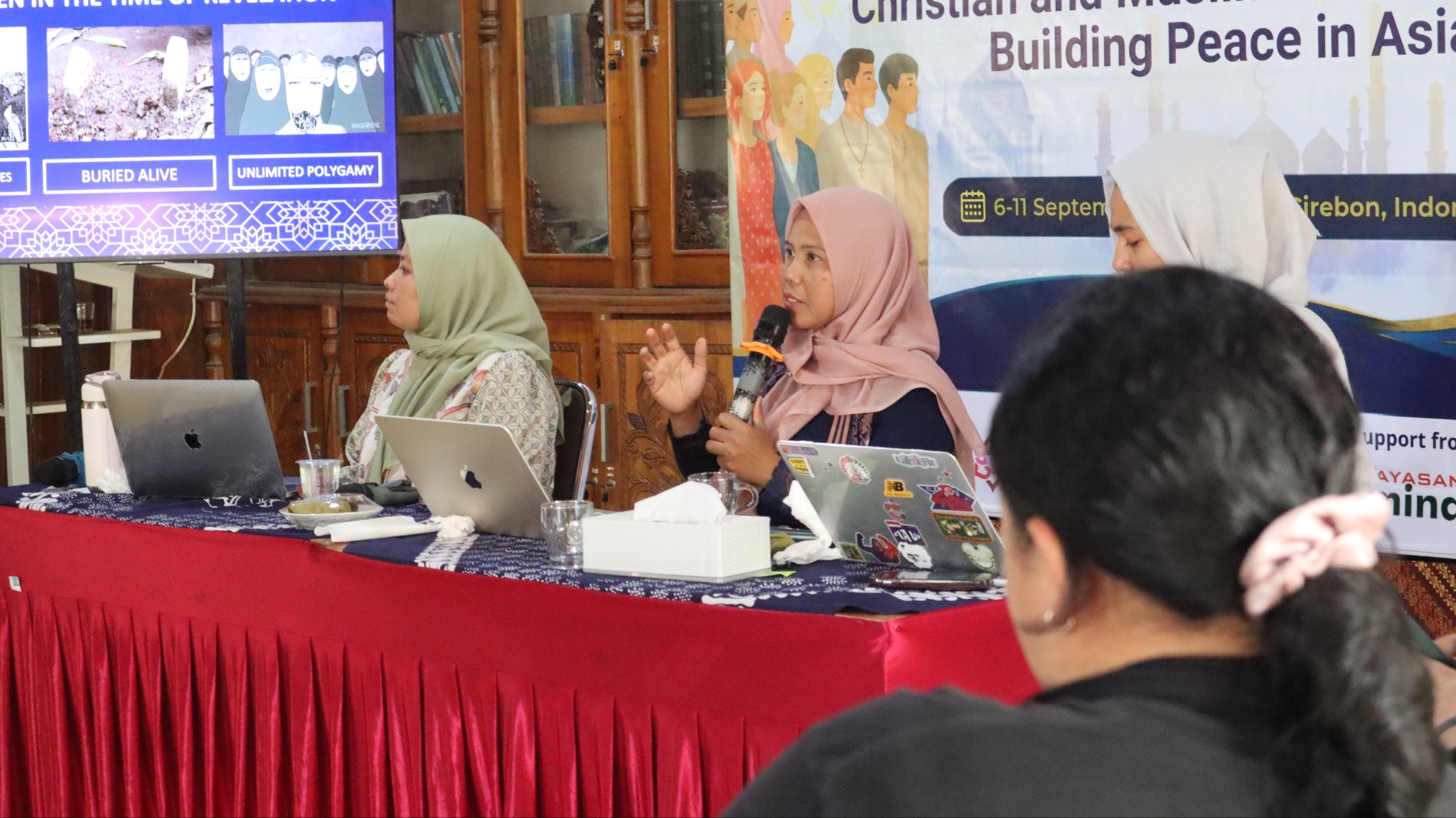
Photo: AMAN Indonesia
However, despite the continuing challenges and injustices faced by women, it was refreshing and inspiring to see that Muslim women continue to stand up and fight for justice, human dignity, and equality. Their courage and determination reminded me that, despite the barriers created by culture, power, and social structures, women continue to find ways to raise their voices and claim their rightful place in society.
During the exposure, I also gained a deeper understanding of the importance of education in empowering individuals and communities. I learned about the Pesantren, which provides higher education and opportunities for students to develop a broader and deeper perspective on Islamic studies and the Al-Qur’an. This experience helped me appreciate how education can encourage critical thinking, broaden perspectives, and contribute to a more meaningful understanding of faith and society.
From Inner Peace to Collective Change
These experiences also challenged me to ask myself, “What kind of world are we dreaming of?” It is easy to say that we want a better and more beautiful world, but the deeper questions are: How do we make it happen? What can we do? What steps should we take? And who will take the lead in creating that change?
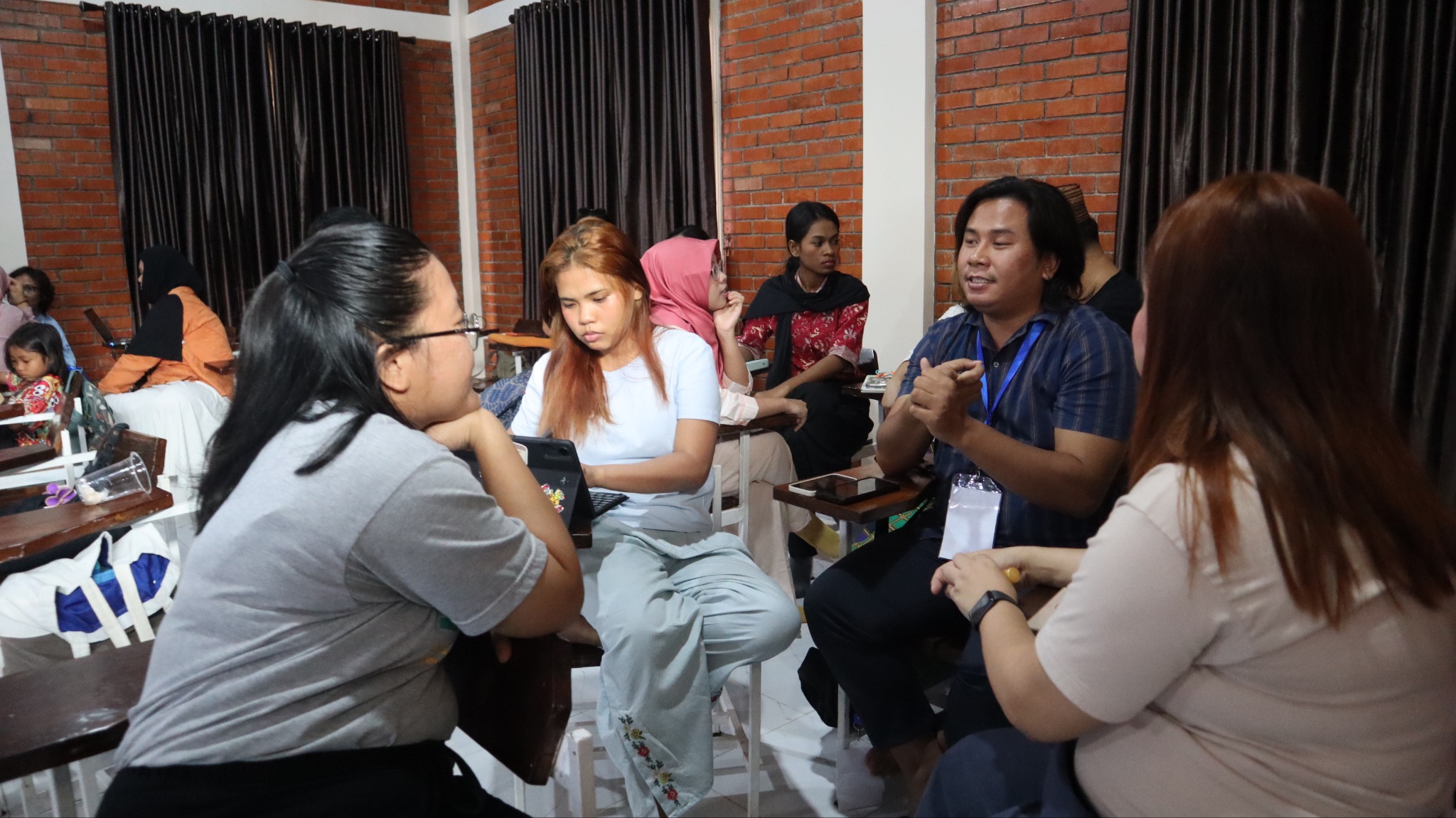
Photo: AMAN Indonesia
The Regional Learning Exchange experience made me realize that if we truly want to build a better and more beautiful world, we must first find peace within ourselves. Change begins from within—with how we see ourselves, how we treat others, and how we recognize the dignity and worth of every person.
A peaceful world cannot exist without equality and justice for women. We cannot truly speak of peace while women continue to experience discrimination, violence, and unequal opportunities simply because they are women. Creating a better world means challenging the beliefs and systems that limit women, while creating spaces where women can speak, lead, participate, and make decisions without being judged by their gender.
I believe that peace is not simply the absence of violence. It is also the presence of respect, dignity, equality, and justice. If we want to see these values in our communities and in the world, we must begin by practicing them within ourselves and in our everyday relationships. In this way, we can become not only dreamers of a better world, but also active participants in creating it.